Pediatric Dental Services
At Yarmosky Pediatric Dentistry, we provide specialized and compassionate dental care for infants, children, and adolescents, including those with special needs. Our services focus on prevention, restoration, and ensuring a positive, comfortable experience for every child.
Our CoreServices

Prevention is our number one priority for your child's overall health. We follow guidelines from the American Academy of Pediatric Dentistry and recommend a cleaning and exam once every six months.
- Routine Dental Cleanings and Exams
- Fluoride Treatment
- Dental Radiographs (Digital X-Rays)
- Nutritional Counseling
- Comprehensive Oral and Growth & Development Evaluations
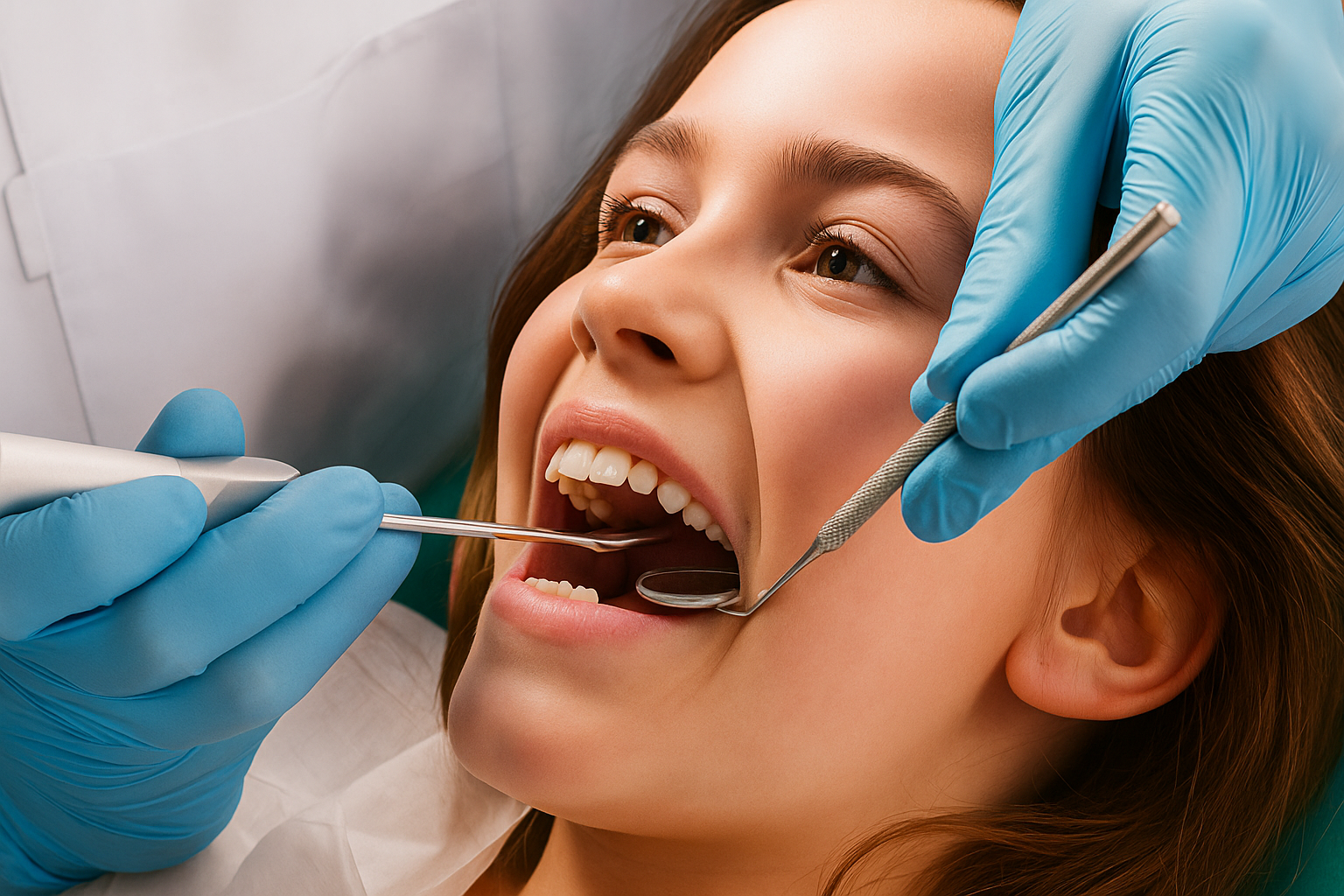
Should your child require dental treatment, we use modern techniques and materials (we are an amalgam-free office) to make the experience as comfortable as possible.
- Dental Sealants (Prophylactic Sealants)
- Tooth Colored Fillings
- Pulpotomy and Crown
- Space Maintenance
- Extractions
- Orthodontic Retainers
- Sports Mouthguards
- Tooth Whitening
- Custom Nightguards
- Conservative Cavity Treatment with Silver Diamine Fluoride (SDF)

We always prefer to complete dental procedures in the least invasive manner possible. Most children are able to complete treatment with nitrous oxide and local anesthetic, but some patients require IV or GA sedation. These patients are typically either very young, have special needs, or have extreme dental anxiety. If your child requires sedation to complete dental treatment, the dentist will discuss your options with you, and our staff will help you schedule and coordinate the procedure.
- Nitrous Oxide (Laughing Gas)
- Local Anesthetic
- Special Needs Dentistry
- IV or GA Sedation (Hospital Dentistry)
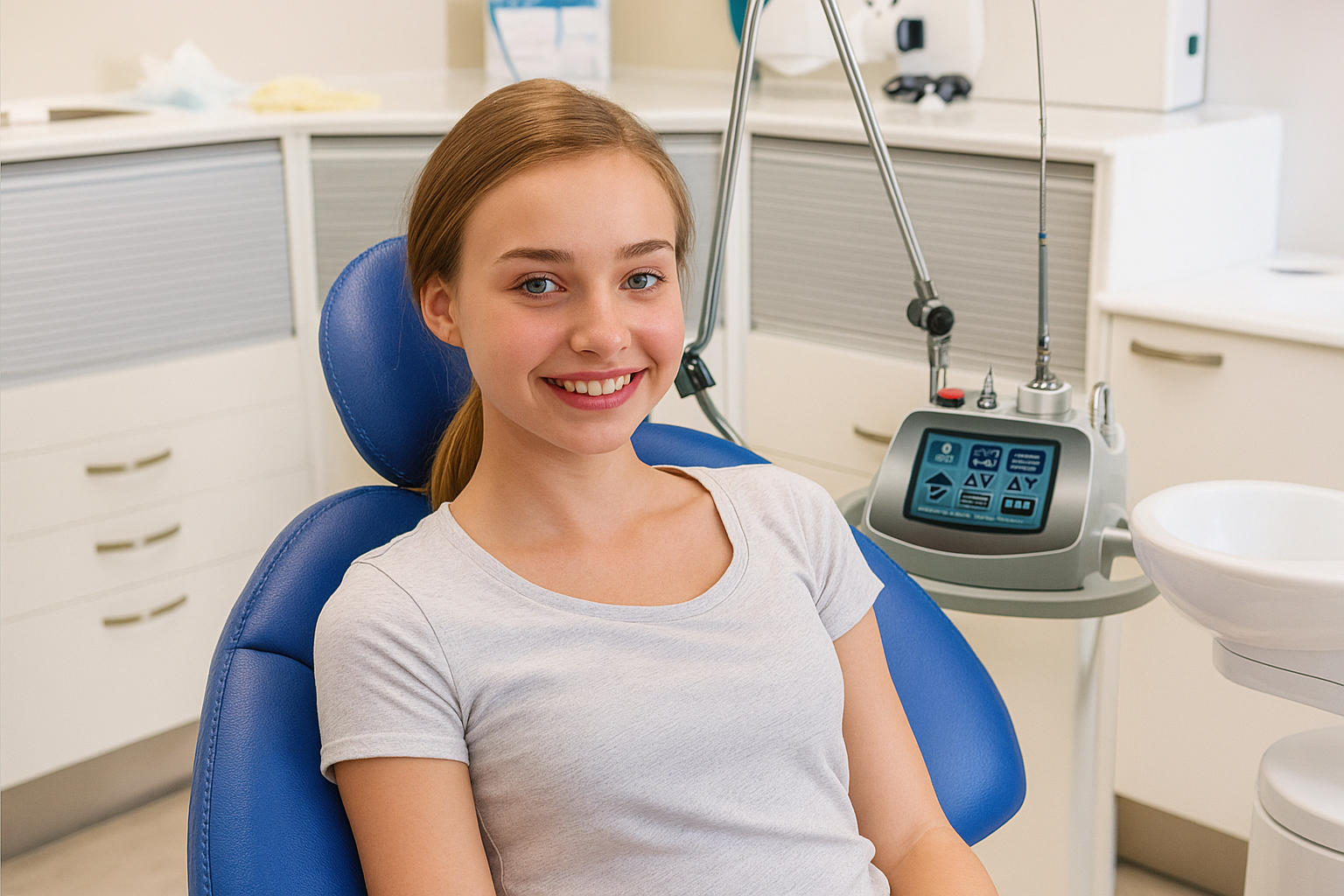
We are always on the cutting edge of dental technology, utilizing the LightScalpel® CO2 Laser for various procedures.
- Frenectomies (Tongue-Tie/Lip-Tie Removal)
- Gingivectomies
- Tooth Exposures
- Lesion Removals
We also utilize the i-CAT® Cone Beam 3D Dental Imaging System, an award-winning low-dose 3D technology. This allows us to gather precise information for the most effective and least invasive treatment, eliminating the need for uncomfortable orthodontic impressions and providing soft tissue and airway analysis.
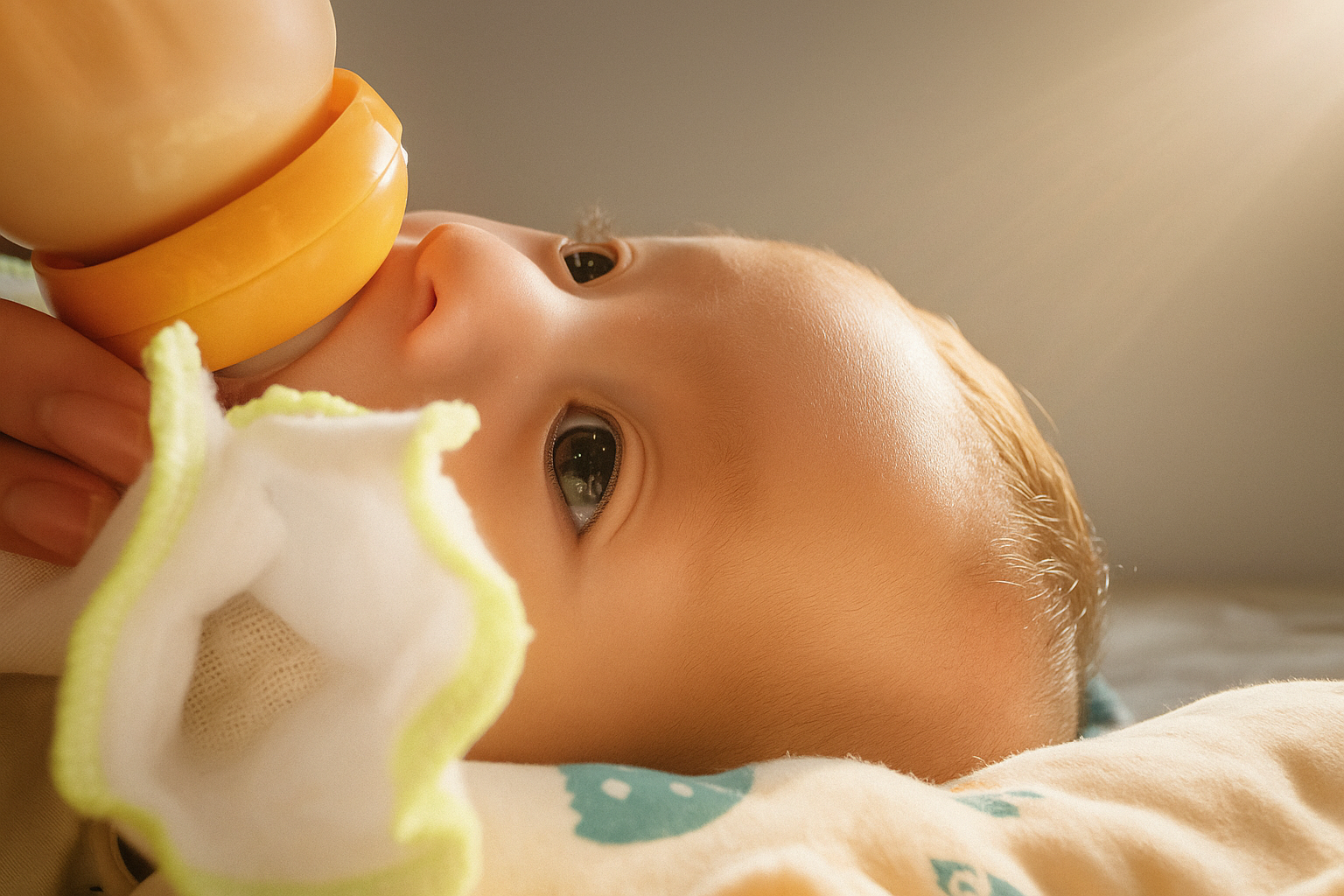
The American Academy of Pediatrics (AAP), the American Dental Association (ADA), and the American Academy of Pediatric Dentistry (AAPD) all recommend establishing a "Dental Home" for your child by one year of age. Establishing a Dental Home can prevent problems from occurring or diagnose and treat existing problems before they become serious. Children who have their first dental visit before age one will have 40 percent lower dental costs in their first five years than children who do not.
- Infant Exam
- Infant Nutritional Counseling
- Infant Growth and Development Assessment
- Infant Fluoride Varnish Treatment
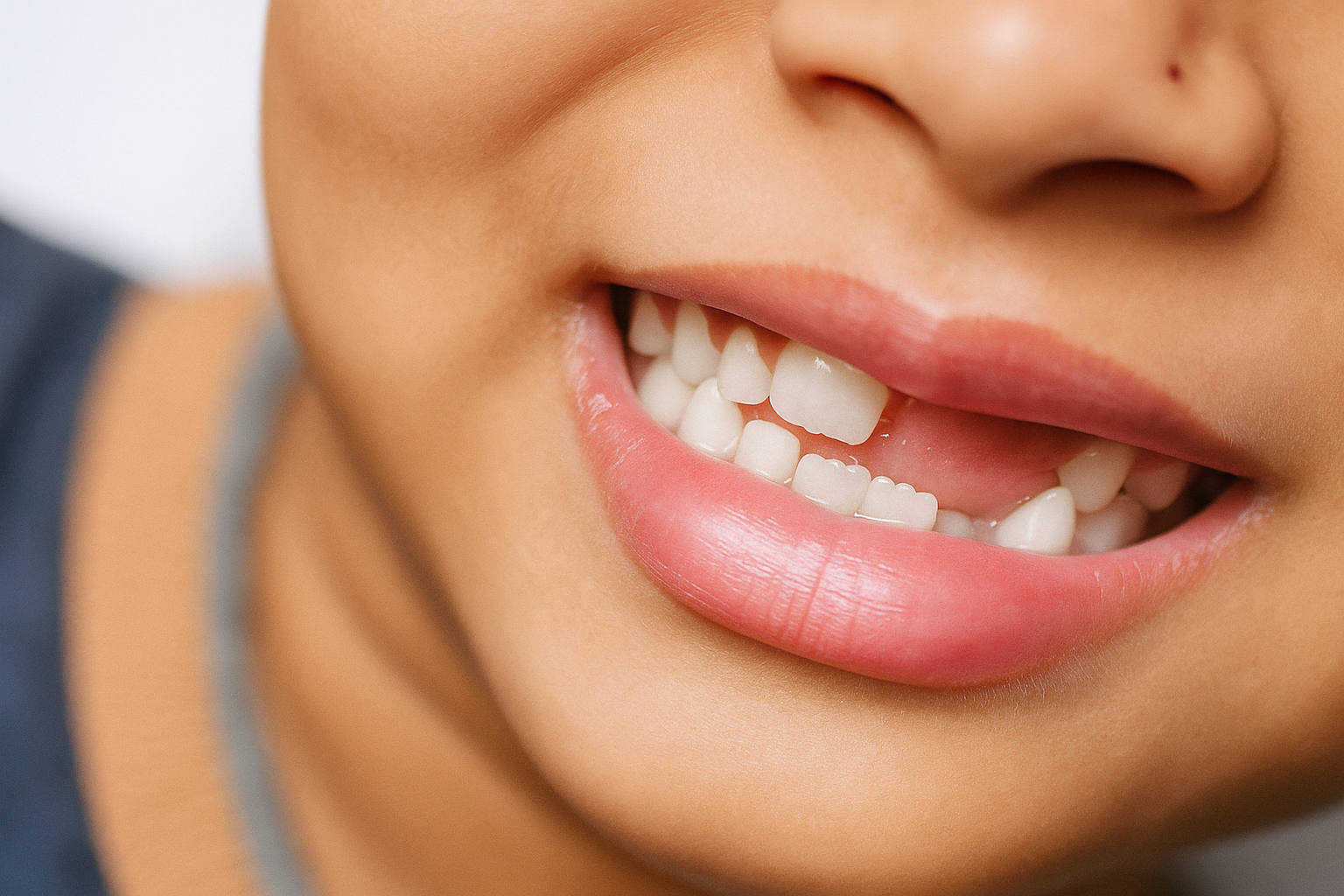
We provide safe, gentle tooth extractions when necessary.
In cases where a back "baby" (primary) tooth is lost early due to extraction or ectopic eruption, it is important that the space for the permanent tooth be held open. If that space closes, it can potentially block out the permanent tooth and prevent it from erupting properly. In such situations, we may need to use a simple "space maintainer" appliance.
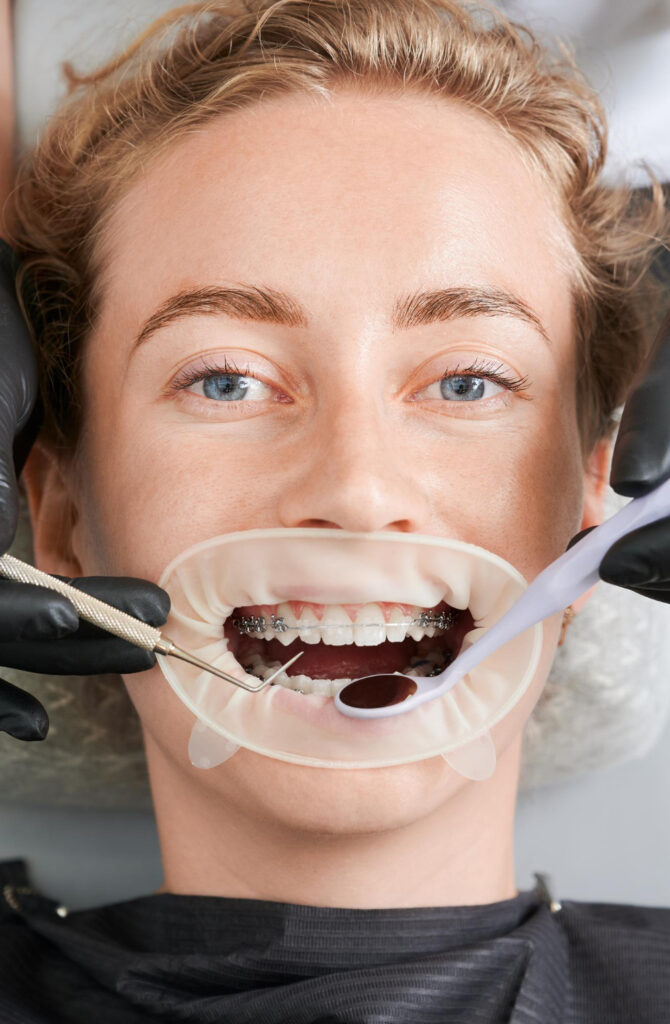
Aftercare Information
Preventive Visits
Following a Prophy (Cleaning): Your child may experience some tenderness for a day or two. Rinsing with warm salt water 2-3 times per day or giving Children’s Tylenol, Advil, or Motrin as directed for age and weight can help with discomfort.
Following Fluoride Varnish: Patients should not drink hot liquids for two hours and should not brush until bedtime.
Following Sealant Placement: The tooth may feel different, but the teeth and bite will feel normal again in a couple of days.
Dental Procedures
Following Anesthesia: Monitor your child closely for approximately two hours. Keep your child on a liquid or soft diet until the anesthetic has worn off. Remind your child to refrain from touching, biting, sucking, or playing with the numb area.
Following Restorative Treatment (Filling or Crown): Make certain your child is not eating or chewing while numb. Do not let them bite their cheeks, lips, or tongue, as this can cause injury. Give Children’s Tylenol, Advil, or Motrin for sensitivity or discomfort.
Following an Extraction: Maintain a soft diet for a day or two and have your child keep fingers and tongue away from the area. Use Children’s Tylenol, Advil, or Motrin for discomfort
Dental Emergencies
Toothache
First Steps: Gently clean the area, rinse with warm water, and gently floss to remove particles. Apply a cold compress if the area is warm.
When to Call Us: Call us to schedule an appointment if pain persists. Call immediately if the area is warm.
Permanent Tooth Knocked Out
First Steps: Handle by the crown, gently rinse, and avoid touching the root. Try to place the tooth back in its socket and have the child bite on gauze. If not possible, put the tooth in milk or saliva.
When to Call Us: Call the office immediately so that we can schedule an appointment.
Tooth Chipped or Broken
First Steps: Rinse with lukewarm water and use a cold compress to reduce swelling. Place the broken piece in milk, if located.
When to Call Us: Call immediately if more than half of the tooth is broken off.
Cut Lip, Gum, Cheek, or Tongue
First Steps: Apply ice to reduce swelling and apply pressure with a clean cloth or sterile gauze to stop bleeding.
When to Call Us: If the bleeding will not stop, call your physician or visit your local emergency room.
Technology
At Yarmosky Pediatric Dentistry, we combine state-of-the-art dental technology with compassionate care to provide the safest, most comfortable experience for your child.
CO2 Laser Dentistry
The LightScalpel® CO2 laser is a device that produces a concentrated beam of light. The highly focused CO2 laser beam vaporizes, cleanly and precisely, while sealing blood vessels at the same time. Years of experience in medicine and oral surgery went into the design of the LightScalpel® laser, which was made to provide superior care for patients.
Traditional surgery with a scalpel or scissors can bruise or crush tissue. When we use the LightScalpel® CO2 laser, only an intense beam of laser light interacts with the tissue. There is no mechanical trauma to the tissue and the coagulation zone is very narrow (as little as 50 microns – almost the width of a human hair).
The CO2 laser has the unique ability to vaporize or ‘erase’ tissue. The CO2 laser can be used to make incisions, as well as to remove unhealthy tissue. Our laser is so precise that it can selectively remove only a few cells at a time, if needed. At the same time, it is powerful enough to de-bulk the largest of tumors.
Digital Radiography
Digital x-rays are a modern alternative to traditional film x-rays, using electronic sensors to capture detailed images of your child’s teeth, jaw, and oral structures.
Digital Intraoral Cameras
Small, pen-sized cameras that allow us to take detailed photos and videos inside your child’s mouth, displayed on chairside monitors.
Digital Records
Comprehensive electronic health record (EHR) system that securely stores all patient information, treatment history, x-rays, and communications in one digital location.
If you don’t see your question answered here, please don’t hesitate to contact our Pittsfield or Great Barrington office. Our team is happy to answer any questions and address any concerns before your child’s first visit with our pediatric dentist.
We recommend establishing a “Dental Home” for your child no later than age one. Starting early helps us prioritize prevention and focus on your child’s overall health. Research shows that children who have their first dental visit before age one have 40 percent lower dental costs in their first five years than those who do not.
We use state-of-the-art technology, including the i-CAT® Cone Beam 3D Dental Imaging System for precise, low-dose imaging. We also use the LightScalpel® CO2 laser for soft tissue procedures like frenectomies. Our digital X-rays utilize the lowest radiation dose possible, adhering to the ALARA principle (As Low As Reasonably Achievable).
A frenectomy is a procedure that releases the frenulum (commonly known as a tongue tie or lip tie removal). This allows for a full range of motion for the tongue and lip. In infants, a frenectomy can correct an inability to breastfeed and reduce a mother’s pain. Later in childhood, it can prevent issues with speech, palatal development, tooth spacing, and gum disease.
For procedures, we utilize Nitrous Oxide (laughing gas), which is a mild form of sedation that keeps a child awake but completely relaxed. We also use Local Anesthetic (numbing), applied after a topical cream and distraction to make the injection virtually unnoticeable. For patients with extensive needs, special needs, or extreme anxiety, we may recommend Hospital Dentistry and General Anesthesia.
Please check our updated office hours on our Contact Page.
We require at least 24 hours notice if you need to cancel or reschedule your child’s appointment. If two broken/missed appointments or cancellations occur without 24 hours notice, we reserve the right to not schedule any subsequent appointments.